Shinjuku
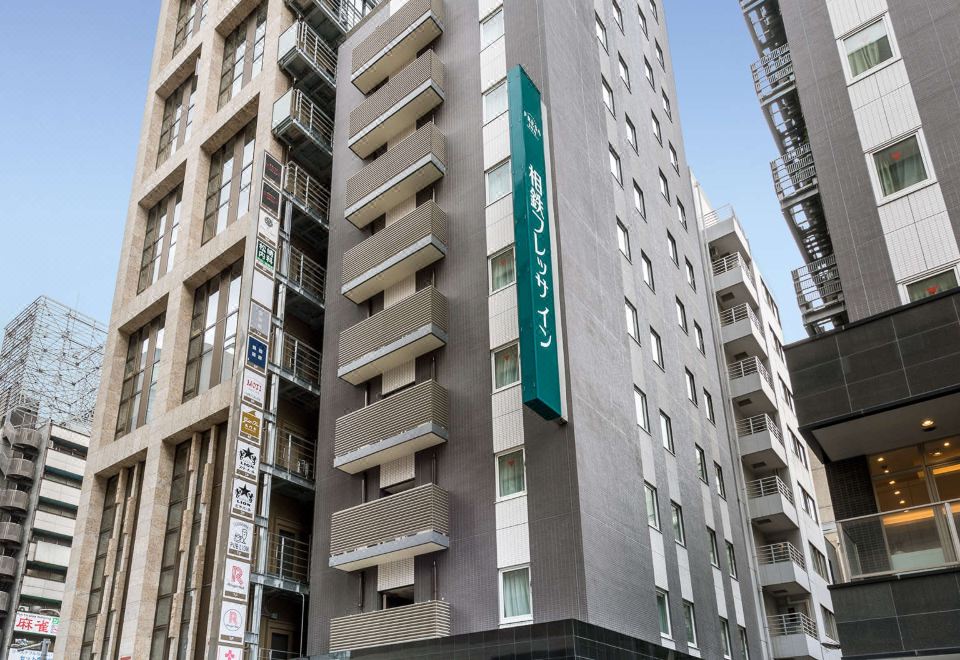
A major transport and dining base. Check which side of the station the hotel occupies and whether your room faces a lively street.
Tokyo has many excellent hotel bases, but their value depends on station access and where your itinerary is concentrated. A famous station name alone does not tell you which exit or line is convenient.
Plan three days ↗Explore hotel guides ↗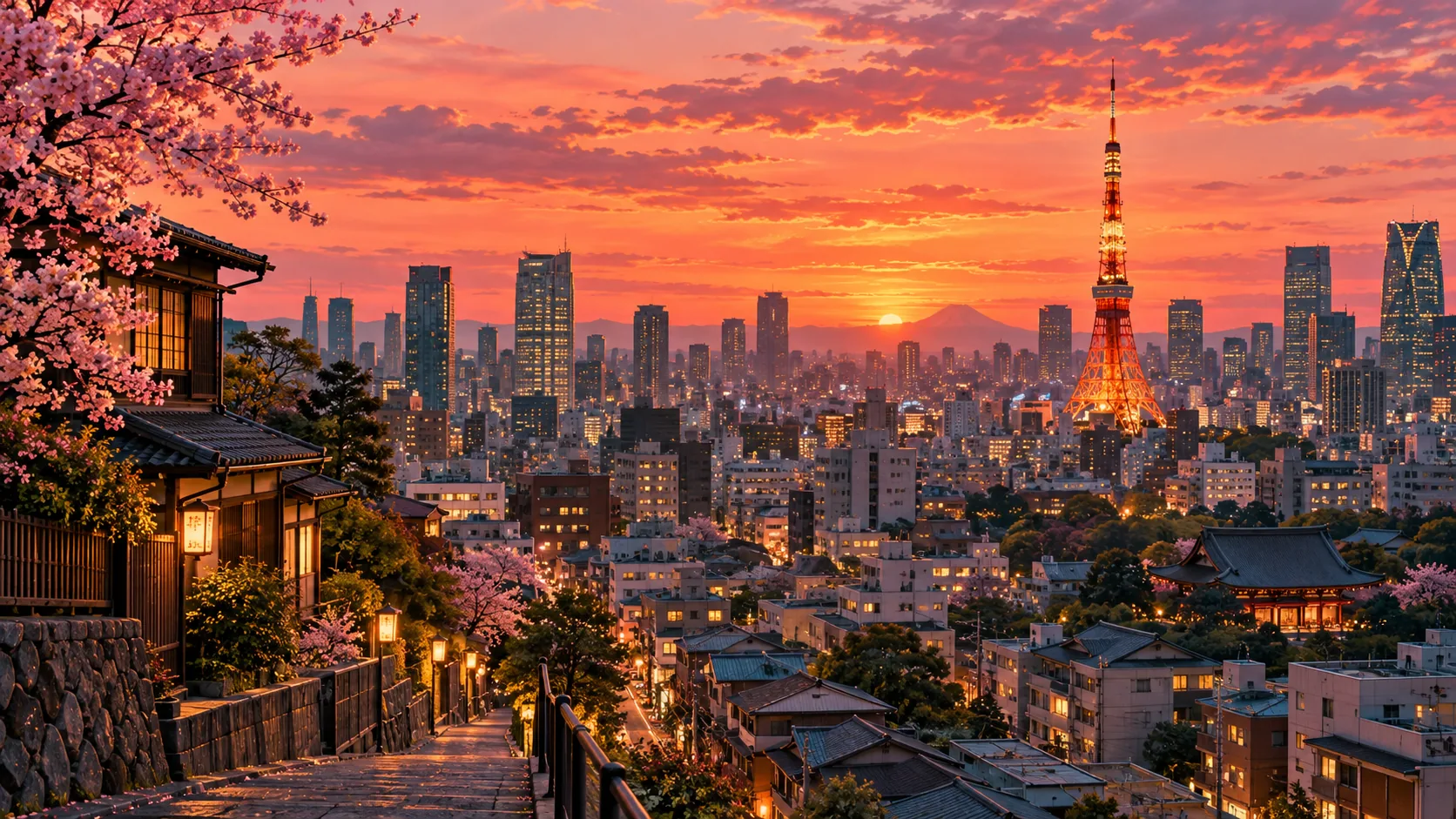
Compare Shinjuku for western Tokyo links and nightlife, Shibuya for contemporary districts, and Asakusa for a traditional eastern-Tokyo itinerary. Map the exact station and your arrival airport route.
A major transport and dining base. Check which side of the station the hotel occupies and whether your room faces a lively street.
A good comparison for shopping, culture and nearby west-side neighborhoods. Match your day trips and rail connections to the exact address.
Consider it for Sensoji and a quieter eastern-Tokyo focus. Compare transfers to the western neighborhoods you also want to see.
Start with the station district and a gentle Marunouchi walk. Keep the first afternoon close to your arrival route, with time to locate the hotel entrance and the station exit you will use.
Set aside a day for eastern Tokyo: explore around Sensoji in Asakusa, then choose Ueno for a park or museum visit. Allow time for the journey between the two rather than trying to walk every leg.
Use the final full day for western Tokyo. Choose a Shibuya walk and a separate Shinjuku outing, checking the last connection to your hotel before settling into the evening.
Compare rain, summer heat and your walking tolerance; build in an indoor museum or shopping alternative.
Choose your month around the activities that matter most. Check the forecast and local notices close to departure, and recheck any outdoor excursion before setting out. This guide does not provide live weather or guarantee access.
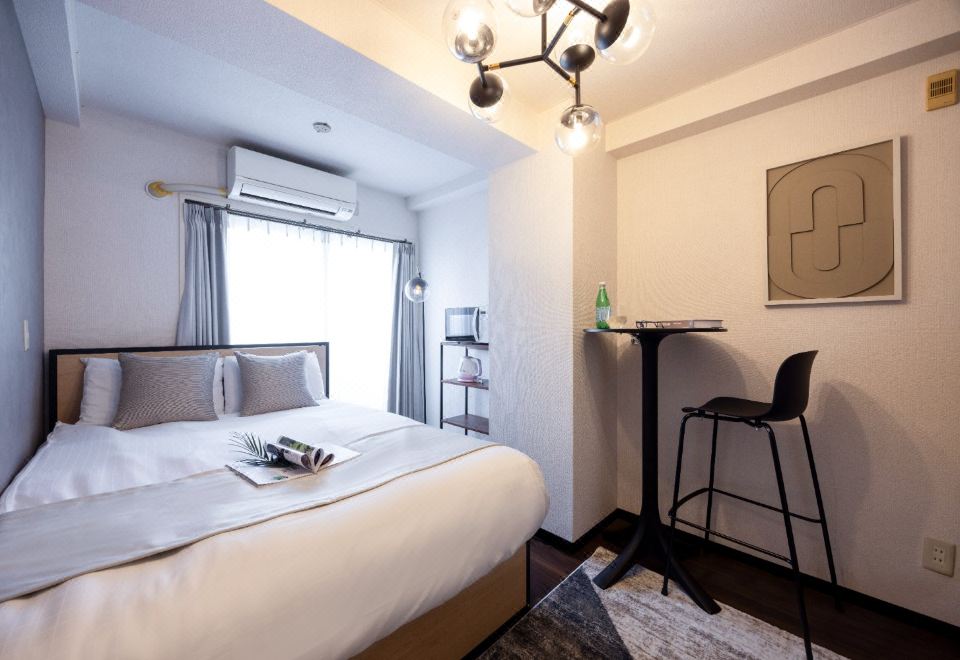
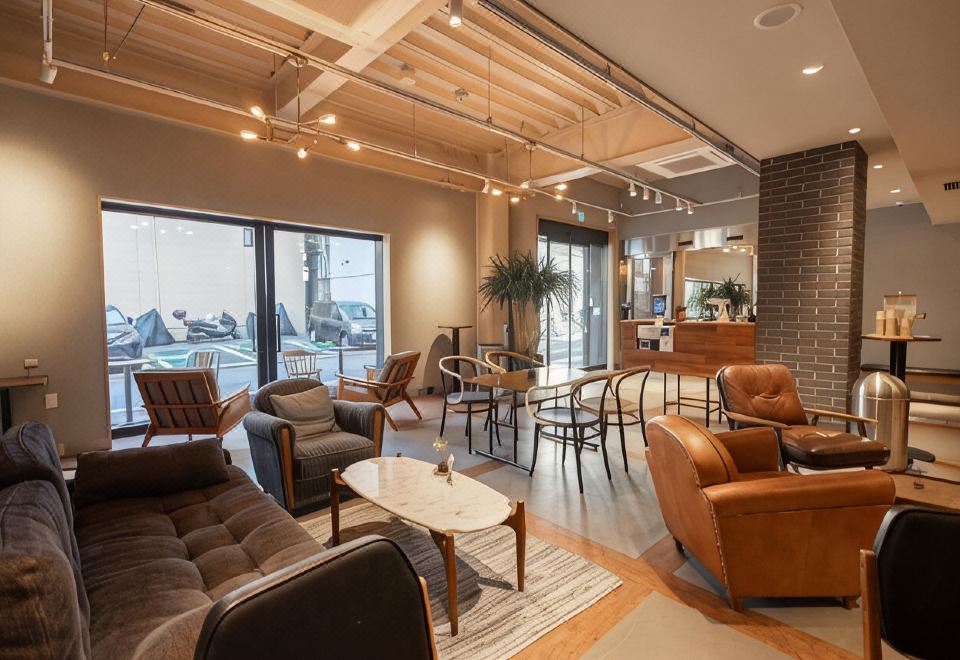
Tokyo accommodation ranges from compact business rooms to larger suites and ryokan-style stays. Confirm floor space, bed width, luggage room, bath arrangement, non-smoking status and check-in policy for the exact rate.
Station complexes have multiple exits, and straight-line map distance can mislead. Read the walking instructions and recent guest comments on room size and noise.
Shinjuku, Shibuya and Asakusa fit different itineraries. Pick the district with a useful connection to most of your plans, then check the exact station exit.
Room sizes vary. Check published floor area, bed width and guest photos for the precise category you select.
It can simplify some routes, but verify the relevant rail line, exit and actual walking distance rather than relying on the station name.
Read bedding, bathroom, check-in, meal and luggage conditions for the exact property; do not assume they match a standard hotel.
Editorial route suggestions based on retained destination notes. Check the official sources for current access, reservations and local notices. Images are destination illustrations.
Property photos, guest scores, review counts and hotel classifications: Trip.com. Prices marked “avg. from” are dated property-average references, not room quotes for your dates. Check the final total and conditions on Trip.com.